

Introduction
The Mera Peak Climbing And Amphu Lapcha Pass Trek is one of Nepal’s most challenging and rewarding high-altitude adventures. Combining the ascent of Mera Peak with the technical crossing of Amphu Lapcha Pass, this expedition takes experienced trekkers deep into the spectacular landscapes of the Khumbu region. The journey brings together remote mountain trails, high-altitude glaciers, Sherpa culture, dramatic Himalayan scenery, and the excitement of technical mountaineering.
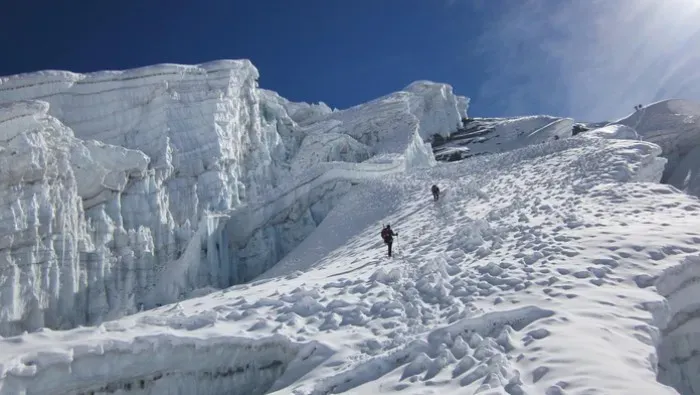
Mera Peak, standing at approximately 6,476 meters, is one of Nepal’s highest trekking peaks. Amphu Lapcha Pass, meanwhile, is a demanding high mountain pass situated between the Hongu and Imja valleys. Crossing the pass requires careful preparation, appropriate climbing equipment, and experienced mountain guides.
Unlike a conventional trekking itinerary, this adventure requires a strong level of physical fitness and the ability to cope with prolonged exposure to high altitude. Climbers should also be comfortable with basic mountaineering techniques and challenging terrain.
For experienced adventurers looking for an itinerary that combines a Himalayan summit with one of Nepal’s most demanding mountain passes, Mera Peak Climbing And Amphu Lapcha Pass Trek offers an extraordinary journey through the heart of the Himalayas.
What Makes This Adventure Special?
The main attraction of this expedition is its combination of two major Himalayan objectives.
The first is Mera Peak. Its summit provides magnificent views of several major Himalayan mountains, including Everest, Lhotse, Makalu, Baruntse, and Chamlang.
The second objective is Amphu Lapcha Pass, which connects the remote Hongu Valley with the Imja Valley. The pass involves steep snow and ice terrain and requires technical climbing skills.
Together, these objectives create a journey that is considerably more adventurous than a standard Everest-region trek. The route also avoids relying entirely on the busiest trekking corridors, allowing travelers to experience quieter valleys and remote mountain environments.
The cultural component adds another dimension. The journey passes through Sherpa communities where Buddhist traditions, monasteries, prayer flags, chortens, and traditional mountain lifestyles remain important parts of everyday life.
Mera Peak: The First Major Objective
Mera Peak rises to approximately 6,476 meters in the eastern Khumbu region. It is often selected by climbers seeking their first experience with a Himalayan peak of more than 6,000 meters.
The approach to Mera Peak passes through forests, villages, alpine valleys, and increasingly rugged terrain. As the elevation rises, the landscape changes dramatically, eventually leading to glacial and snow-covered environments.
The summit climb normally requires an early start and involves glacier travel, snow climbing, and the use of climbing equipment. Conditions vary considerably according to the season.
From the summit, climbers can enjoy extensive views across the surrounding Himalayan range when weather conditions permit.
Reaching Mera Peak provides both a physical achievement and valuable experience for the more technical sections of the expedition that follow.
Amphu Lapcha Pass: A Technical Himalayan Crossing
After the Mera Peak section, the adventure continues toward Amphu Lapcha Pass.
Amphu Lapcha is a high mountain pass located between the Hongu Valley and the Imja Valley. It is considerably more technical than an ordinary trekking pass and should only be attempted with appropriate equipment and experienced support.
The crossing can involve steep snow and ice, fixed ropes, rappelling, crampon use, and glacier travel. Conditions can change from year to year depending on snowfall and weather.
The pass itself offers spectacular mountain scenery. Climbers can see towering Himalayan peaks, glaciers, and remote valleys extending across the Khumbu landscape.
The descent from the pass can be particularly demanding, making careful rope management and experienced guiding essential.
Mera Peak Climbing and Amphu Lapcha Pass Trek Route
The exact itinerary can vary according to the operator and mountain conditions, but the journey generally begins in Kathmandu and continues toward the eastern Khumbu region.
After reaching the trailhead, trekkers enter remote valleys and gradually gain altitude. The route passes through forests and traditional settlements before reaching higher alpine terrain.
Acclimatization periods are incorporated into the itinerary to allow the body to adjust to increasing elevation.
The route then reaches Mera Peak Base Camp, where climbers prepare for the summit attempt. Technical training and equipment checks are completed before ascending toward higher camps.
After the summit attempt, the team moves toward the Amphu Lapcha area. The route becomes increasingly rugged as climbers approach the pass.
The Amphu Lapcha crossing requires a suitable weather window. After successfully crossing the pass, trekkers descend into the Imja Valley and reconnect with the Khumbu trekking network.
The return journey generally passes through well-known settlements before eventually reaching Lukla and returning to Kathmandu.
Difficulty Level
The Mera Peak Climbing And Amphu Lapcha Pass Trek is a strenuous and technically demanding expedition.
It is significantly more challenging than a standard trekking itinerary because it combines prolonged high-altitude trekking, a 6,000-meter summit, and a technical mountain pass.
The main challenges include:
-
High-altitude exposure
-
Long trekking days
-
Steep ascents and descents
-
Snow and ice terrain
-
Glacier travel
-
Cold temperatures
-
Technical rope sections
-
Rapidly changing mountain weather
-
Remote terrain and limited facilities
Previous high-altitude trekking or mountaineering experience is strongly beneficial. Participants should be comfortable with strenuous physical activity and be prepared to learn or apply technical climbing skills.
Physical Preparation
Physical preparation is essential for this expedition.
Training should begin several months before departure. Cardiovascular exercises such as running, cycling, swimming, hiking, and stair climbing can help improve endurance.
Strength training should focus on the legs, core, and upper body. Squats, lunges, step-ups, and functional exercises can prepare the body for steep terrain and long days.
Long-distance hikes carrying a backpack are particularly useful. They allow participants to understand how their bodies respond to sustained activity and additional weight.
Technical preparation is equally important. Participants should become familiar with crampon movement, ice-axe techniques, harness use, rope travel, rappelling, and basic glacier safety.
Professional guides can provide additional instruction during the expedition, but prior training is highly beneficial.
Altitude and Acclimatization
Altitude management is one of the most important elements of the Mera Peak Climbing And Amphu Lapcha Pass Trek.
The itinerary involves extended periods at high elevation, and the body needs adequate time to adjust to lower oxygen levels.
Common symptoms of altitude sickness include headache, nausea, dizziness, fatigue, and difficulty sleeping. Severe symptoms can become life-threatening and require immediate descent.
A carefully designed itinerary includes rest and acclimatization days and avoids unnecessary rapid elevation gains.
Participants should maintain a steady pace, drink sufficient water, eat regularly, and get adequate rest. They should also communicate openly with guides about any symptoms.
No itinerary can completely eliminate altitude risk, so flexibility is essential.
Best Time for the Expedition
Spring and autumn are generally considered the most suitable seasons for Mera Peak Climbing And Amphu Lapcha Pass Trek.
Spring, from March to May, usually brings improving weather and warmer conditions. The lower valleys may also display colorful rhododendron blooms.
Autumn, from September to November, is another popular period. After the monsoon, skies are often clearer, providing excellent visibility of the surrounding mountains.
Winter brings extreme cold and potentially difficult snow conditions. Heavy snowfall can make the pass more challenging.
Summer is affected by the monsoon, which can create wet trails, cloud cover, and transportation difficulties.
Because the Amphu Lapcha crossing depends strongly on snow and weather conditions, the final decision to cross should always be based on current mountain conditions and professional assessment.
Equipment Required
The technical nature of this expedition means that proper equipment is essential.
Typical equipment includes:
-
Mountaineering boots
-
Crampons
-
Ice axe
-
Climbing harness
-
Helmet
-
Carabiners
-
Ascender
-
Descender or appropriate rappelling equipment
-
Mountaineering ropes
-
Insulated/down jacket
-
Thermal base layers
-
Waterproof and windproof outer clothing
-
Warm gloves
-
Mountaineering sunglasses or goggles
-
Headlamp with spare batteries
-
Suitable sleeping bag
-
Trekking poles
-
Backpack and daypack
-
Water bottles or hydration system
-
Personal first-aid supplies
The exact equipment list depends on the season, route, climbing company, and current conditions.
Technical equipment should be checked carefully before leaving for the mountains.
Accommodation and Food
Accommodation varies throughout the expedition. Lower sections of the route generally offer teahouses and basic lodges, while remote sections require organized camping.
At high camps and around Mera Peak, expedition teams typically use tents and carry cooking and sleeping equipment.
Meals commonly include dal bhat, rice, vegetables, noodles, potatoes, soups, pasta, and other simple foods.
At high altitude, sufficient calories are important because the body uses considerable energy while walking and climbing in cold environments.
High-energy snacks such as nuts, dried fruit, chocolate, energy bars, and other lightweight foods are useful during long climbing days.
Permits, Guides, and Insurance
Participants require the applicable permits for Mera Peak and the relevant trekking and protected areas. Regulations, permit fees, and requirements can change, so current information should be confirmed before departure.
Experienced guides and climbing staff are particularly important for this expedition. They can assist with navigation, technical climbing, acclimatization, weather assessment, rope systems, and emergency decisions.
Travel insurance should specifically cover high-altitude trekking and mountaineering. Participants should verify that their policy covers emergency evacuation and activities at the elevations involved.
Because the route is remote and technically demanding, comprehensive preparation is especially important.
Responsible Travel
The remote Himalayan environment requires responsible tourism practices.
Travelers should avoid leaving plastic, food packaging, or other waste along the trail. Waste should be carried out or disposed of according to local guidelines.
Respect for local communities is equally important. Visitors should behave appropriately around monasteries, prayer wheels, chortens, mani walls, and other religious sites.
Hiring local guides, porters, cooks, and accommodation providers can help ensure that tourism contributes directly to communities in the region.
Climbers should also respect other expedition teams and avoid damaging fragile alpine environments.
Safety Considerations
Safety should always take priority over completing the planned itinerary.
Mountain weather can change rapidly, especially around Mera Peak and Amphu Lapcha Pass. Strong winds, snowfall, freezing temperatures, poor visibility, and unstable snow can affect the route.
The Amphu Lapcha crossing should only be attempted when conditions are considered suitable by experienced climbing professionals.
Participants should remain flexible and understand that the summit or pass crossing cannot be guaranteed. Delays and itinerary changes are normal possibilities in high-altitude environments.
Careful acclimatization, appropriate equipment, professional guidance, and honest communication about health and fatigue are essential.
Conclusion
The Mera Peak Climbing And Amphu Lapcha Pass Trek is an extraordinary Himalayan adventure designed for travelers seeking much more than a conventional trekking experience. Combining the ascent of Mera Peak with the demanding crossing of Amphu Lapcha Pass, the expedition offers an impressive mixture of high-altitude trekking, technical climbing, remote wilderness, and Himalayan culture.
The journey takes participants from forested valleys and traditional Sherpa communities into a dramatic world of glaciers, snow-covered peaks, and high mountain passes. Mera Peak provides the opportunity to experience a 6,000-meter summit, while Amphu Lapcha introduces the additional challenge of technical mountain-pass travel.
This expedition requires serious physical and technical preparation. Strong endurance, appropriate mountaineering skills, gradual acclimatization, reliable equipment, experienced guides, and suitable insurance are all essential. Weather and mountain conditions can also require changes to the itinerary, making flexibility a crucial part of the adventure.
For experienced trekkers and aspiring mountaineers looking for an ambitious Himalayan challenge, Mera Peak Climbing And Amphu Lapcha Pass Trek offers an unforgettable combination of adventure and exploration. With responsible preparation and respect for the mountain environment and local communities, the journey can become a truly rewarding experience in the high Himalayas.