

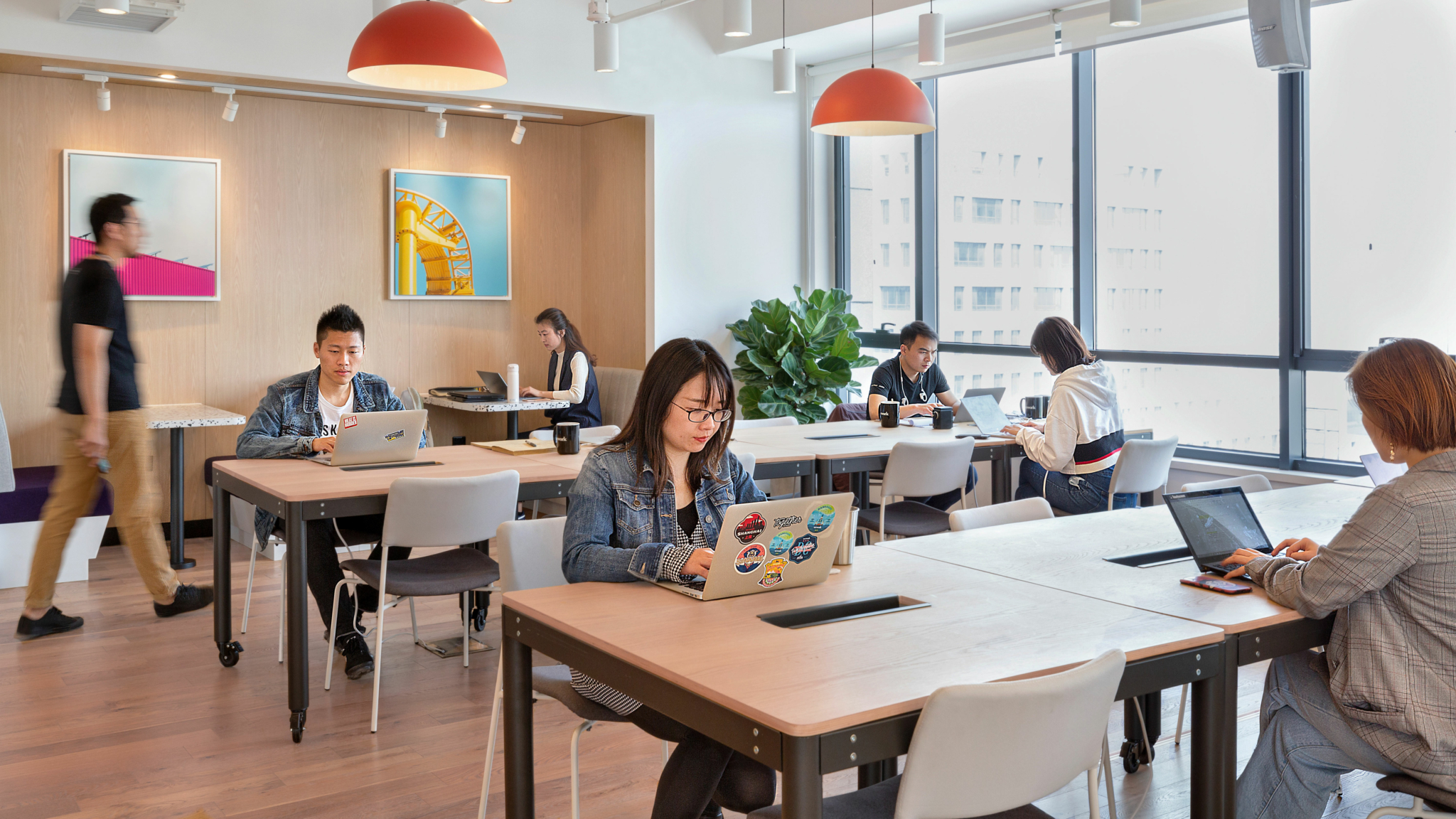
In the ever-evolving landscape of modern work environments, the concept of “hoteling” has emerged as a versatile solution to accommodate the needs of both employers and employees. This innovative approach to office space management challenges traditional notions of fixed desks and cubicles, offering a more dynamic and flexible alternative. In this article, we delve into the intricacies of hoteling, exploring its benefits, implementation strategies, and its impact on productivity and employee satisfaction.
Buymarketz | charmboutiqe | cloudbytetech | thestellarforge | commsalespro
Understanding Hoteling
Hoteling, also known as desk hoteling or hot desking, is a workplace strategy where employees do not have assigned desks. Instead, they reserve workspaces as needed on a daily or hourly basis. This model is particularly advantageous for organizations with a significant portion of their workforce working remotely or needing flexibility in their work setups.
The concept originated from the need to optimize office space and accommodate a more mobile workforce. By eliminating assigned desks, organizations can reduce real estate costs and create a more agile work environment. Employees benefit from the flexibility to choose their workspace based on their activities for the day, whether it’s collaborating with teammates, focusing on individual tasks, or participating in meetings.
trek-together | hesanbin | TropicalBuster | melanzona | TabularSystems
Benefits of Hoteling
- Cost Efficiency:
Hoteling allows organizations to maximize the use of office space. With fewer assigned desks, companies can reduce their real estate footprint, leading to cost savings on rent and utilities. This efficiency is particularly appealing in urban areas where office space is at a premium.
- Flexibility and Agility:
Employees appreciate the freedom to select their workspace based on their tasks for the day. Whether they need a quiet corner for concentrated work or a collaborative area for team meetings, hoteling provides the flexibility to choose an appropriate environment.
- Promotion of Collaboration:
By moving away from fixed desks, hoteling encourages spontaneous interactions and collaborations among employees. When teams are not tied to specific locations, they are more likely to interact with colleagues from different departments or disciplines, fostering innovation and cross-functional collaboration.
- Enhanced Employee Experience:
Offering employees the flexibility to choose their workspace enhances their overall experience and satisfaction. It demonstrates trust and empowers employees to manage their workday more autonomously, leading to higher morale and productivity.
- Support for Remote and Hybrid Workforces:
Hoteling is well-suited for organizations with remote or hybrid workforces. It ensures that employees who come into the office have access to the resources they need without the constraints of fixed desks. This flexibility supports a more balanced approach to work-life integration.
Implementing Hoteling Successfully
Implementing a hoteling strategy requires careful planning and consideration of various factors to ensure its success:
- Technology Infrastructure:
Invest in technology that supports desk reservations, such as booking systems integrated with employee calendars. This ensures that employees can easily reserve desks and access necessary resources like power outlets and equipment.
- Space Design:
Design office spaces that accommodate hoteling, with a variety of work environments to cater to different work styles and activities. Include open collaboration areas, quiet zones for focused work, and meeting rooms equipped with video conferencing capabilities.
- Clear Policies and Communication:
Establish clear guidelines on how hoteling will operate within your organization. Communicate these policies effectively to employees to ensure they understand how to reserve desks, etiquette for shared spaces, and expectations for cleanliness and organization.
- Employee Training and Support:
Provide training sessions or resources to help employees adapt to the hoteling model. Address any concerns they may have about the transition and emphasize the benefits of flexibility and collaboration that hoteling offers.
- Feedback and Iteration:
Continuously gather feedback from employees about their experience with hoteling. Use this feedback to make adjustments to the workspace design, policies, and technology infrastructure as needed to optimize the hoteling experience.
ProCamSpy | realrawnewkss | filmdebates | arsenalind | onlyfanbio
Challenges and Considerations
While hoteling offers numerous benefits, it also presents challenges that organizations must address:
- Workspace Availability:
Ensuring that employees have access to available desks when they need them can be challenging, especially during peak hours or in offices with limited space. Implementing a fair reservation system is crucial to manage demand effectively.
- Personalization and Comfort:
Some employees may prefer the comfort and personalization of their own desk space. Organizations should consider providing storage solutions or personalization options for employees who frequently use hoteling spaces.
- Maintenance and Cleanliness:
Shared workspaces require regular maintenance to ensure cleanliness and organization. Implement protocols for cleaning shared desks and encourage employees to maintain cleanliness in shared areas.
- Technology Reliability:
Dependable technology infrastructure is essential for successful hoteling. Ensure that reservation systems, Wi-Fi connectivity, and equipment such as monitors and printers are reliable and accessible to employees.
- Cultural Shift:
Adopting a hoteling model may require a cultural shift within the organization. Some employees may resist the change initially, particularly if they are accustomed to having a dedicated desk. Effective communication and leadership support can help mitigate resistance and encourage adoption.
Conclusion
In conclusion, hoteling represents a progressive approach to workplace design that aligns with the evolving needs of modern organizations and their workforce. By prioritizing flexibility, collaboration, and efficiency, hoteling can enhance productivity, reduce costs, and improve employee satisfaction. However, successful implementation requires thoughtful planning, robust technology infrastructure, and clear communication with employees. As organizations continue to adapt to changing work dynamics, hoteling offers a promising solution to create agile and dynamic work environments that support innovation and growth.