

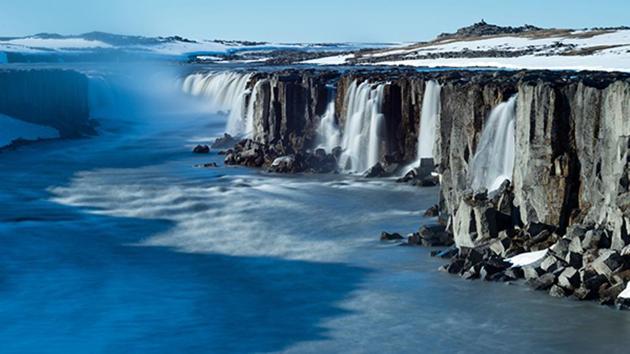
Iceland, the land of fire and ice, stands as a testament to nature’s raw power and beauty. Situated on the edge of the Arctic Circle, this small island nation is renowned for its stunning landscapes, geothermal wonders, and vibrant cultural heritage. Whether you’re drawn by the allure of cascading waterfalls, dramatic volcanic terrain, or the enchanting Northern Lights, Iceland promises an unforgettable journey into the heart of natural wonder.
Healthviwed | JustLifePhoto | showbizztodays | fincardeals | bemedcare
Geography and Landscape
Iceland’s geological uniqueness is immediately apparent as you traverse its diverse terrain. From black sand beaches adorned with basalt columns to towering glaciers and moss-covered lava fields, the landscape is a patchwork of contrasting elements. The country straddles the Mid-Atlantic Ridge, making it a hotspot for geothermal activity, which manifests in bubbling hot springs, spouting geysers, and soothing thermal pools like the iconic Blue Lagoon.
The island’s interior, known as the Highlands, remains largely untouched and inaccessible for much of the year due to its rugged terrain. It’s a paradise for hikers and adventurers seeking solitude amidst vast expanses of desolate beauty, punctuated by ice caps, volcanoes, and meandering rivers.
Natural Wonders
Iceland’s natural wonders are abundant and varied, offering something to awe every traveler. The mighty Gullfoss waterfall, where a thunderous cascade plunges into a mist-shrouded canyon, epitomizes the power of Icelandic rivers. Nearby, the Geysir geothermal area hosts the original geyser that lent its name to all others worldwide, regularly erupting with steaming water into the air.
For those enchanted by ice, Vatnajökull National Park boasts Europe’s largest glacier, covering an area greater than all other glaciers in Europe combined. This icy expanse is dotted with ice caves that glow blue in the dim light, creating an otherworldly atmosphere that’s a photographer’s dream.
Cultural Heritage
Despite its small population, Iceland boasts a rich cultural heritage rooted in Viking history and Norse mythology. Reykjavik, the world’s northernmost capital, blends modernity with a deep respect for tradition. Visitors can explore the National Museum of Iceland to trace the island’s history from its settlement by Norsemen to its emergence as a hub of creativity and innovation.
Icelandic literature, including the medieval sagas and works by contemporary authors like Halldór Laxness, offers a glimpse into the nation’s literary prowess. The Harpa Concert Hall and Conference Center, with its striking glass facade inspired by Iceland’s basalt landscapes, serves as a cultural hub where visitors can enjoy performances ranging from classical music to experimental theater.
Wildlife and Ecotourism
Despite its harsh climate, Iceland supports a surprising diversity of wildlife. The country is a paradise for birdwatchers, with seabird colonies nesting along the rugged coastline. Puffins, with their colorful beaks and comical antics, are a favorite sight during the summer months. Meanwhile, the waters surrounding Iceland teem with life, attracting whales and dolphins that can be observed on boat tours departing from Husavik or Reykjavik.
Iceland is also committed to sustainable tourism practices, with efforts to preserve its fragile ecosystems and minimize the environmental impact of visitors. Travelers can participate in eco-friendly tours that promote responsible interactions with nature, such as glacier hikes led by knowledgeable guides or snorkeling in crystal-clear waters at Silfra Fissure, where the Eurasian and North American tectonic plates meet.
Seasonal Attractions
The allure of Iceland changes with the seasons, each offering its own unique experiences. Summer brings the Midnight Sun, bathing the landscape in a golden hue and allowing for round-the-clock exploration of natural wonders. Hiking trails open up in the Highlands, and festivals celebrate Icelandic music, cuisine, and folklore.
Winter, however, transforms Iceland into a realm of darkness pierced by the ethereal glow of the Northern Lights. This natural light show, caused by solar particles colliding with Earth’s atmosphere, is best viewed away from city lights in remote locations like Thingvellir National Park or the Snaefellsnes Peninsula. Winter also brings opportunities for ice cave exploration and snowmobiling across pristine landscapes dusted with snow.
Practical Considerations
Traveling to Iceland is relatively straightforward, with most visitors arriving at Keflavik International Airport near Reykjavik. From there, rental cars or organized tours provide access to the country’s main attractions, though a 4×4 vehicle may be necessary for exploring the Highlands or remote regions.
Accommodation options range from luxury hotels in Reykjavik to cozy guesthouses and farm stays in rural areas. Camping is also popular during the summer months, with designated campsites offering basic facilities amidst breathtaking scenery.
Icelandic cuisine reflects the island’s maritime heritage, with fresh seafood like salmon and langoustine featuring prominently on menus. Traditional dishes such as lamb stew and hearty rye bread baked in geothermal ovens provide comfort after a day of exploration.
news-magic | publicstatement | craftyhomess | carmaintains | CoffeeTechSolutions
Conclusion
Iceland’s allure lies not only in its natural wonders but also in its ability to inspire and rejuvenate those who venture to its shores. Whether you’re soaking in a hot spring under the midnight sun or witnessing the dance of the Northern Lights, Iceland promises an immersive journey into the heart of untouched wilderness. From the dynamic landscapes shaped by fire and ice to a cultural tapestry woven with sagas and storytelling, Iceland invites exploration and discovery. It’s a destination where adventure awaits around every corner, where the forces of nature reign supreme, and where moments of quiet reflection amidst stunning beauty are plentiful.